
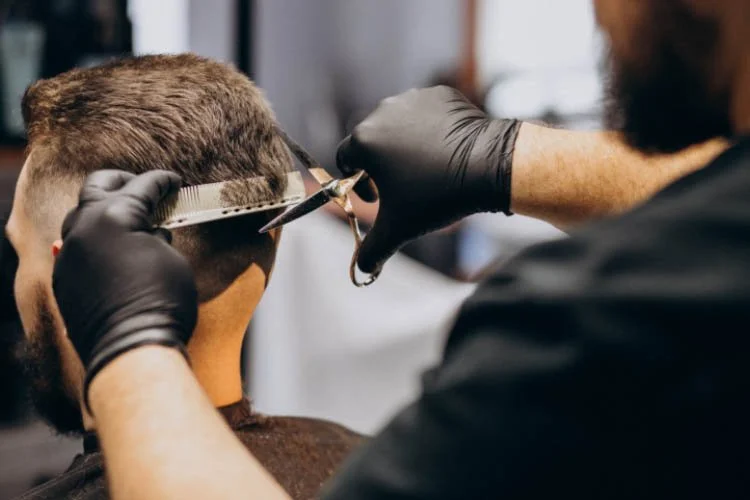
A fade may look like a simple transition from short hair to longer hair, but deciding where that transition begins is one of the most important parts of the haircut. A fade placed too high can dramatically change the shape of the head, while a fade placed too low may leave the haircut looking heavy or disconnected. This is why two men can ask for the same type of fade and walk away with noticeably different results.
The placement of a fade is not simply about choosing between low, mid, or high. A skilled barber considers the client's head shape, hair density, hairstyle, and natural growth patterns before deciding where the transition should begin. At In The Cut Barbershop, we help men in Vancouver understand why customized fade placement can make the difference between a standard haircut and one that feels properly balanced.
1. The Shape of Your Head Influences Fade Placement
Every head has a different shape. Some men have a more rounded profile, while others have noticeable changes in contour around the temples and occipital area.
A barber looks at factors such as:
The curve around the sides of the head
The position of the temples
The shape of the back of the head
Areas that naturally project outward
How the head shape changes from different angles
A fade follows the head, which means its placement can either enhance or exaggerate certain features. For example, starting the fade too high around a prominent area can draw unnecessary attention to that part of the head.
The goal is to create a transition that complements the natural shape rather than simply placing the fade at the same height on every client.
2. Hair Density Affects How Clearly a Fade Appears
Hair density can significantly influence the visual strength of a fade. Dense hair creates a darker appearance, while finer or lower-density hair may show more scalp.
Different density levels can affect:
How quickly the fade transitions
How much contrast is visible
Where darker areas begin
How smooth the blend appears
A barber may adjust the starting point or transition area depending on how much natural contrast the client's hair creates.
For men with very dense hair, careful weight removal may be needed to prevent the fade from appearing too heavy. For finer hair, a softer transition may create a more natural result.
3. The Hairstyle on Top Determines the Overall Proportion
A fade should not be treated separately from the hair on top. The amount of length, volume, and texture above the fade influences where the sides should begin transitioning.
The barber considers:
Length on top
Desired volume
Styling direction
The overall silhouette
Contrast between the top and sides
A longer, textured style may require a lower or more gradual transition to maintain balance. A shorter style can often support a higher fade because there is less visual weight on top.
The objective is to make the entire haircut feel connected rather than creating a strong divide between the top and sides.
4. Facial Features Can Influence the Visual Effect
Fade placement changes how the sides of the face are framed. This can affect the perceived proportions of the face and jaw.
A fade can influence the appearance of:
Face length
Head width
Jawline definition
Temple structure
For example, a higher fade exposes more of the sides of the head and creates stronger contrast, while a lower fade leaves more hair around the temples and can produce a softer transition.
There is no universally superior option. The best placement depends on which proportions the barber is trying to balance.
5. Growth Patterns Can Change Where the Blend Works Best
Natural growth patterns can make certain fade placements easier or more difficult. Cowlicks, changes in density, and unusual growth directions may affect how smoothly the hair transitions.
A barber checks for:
Hair that grows outward
Cowlicks near the sides
Uneven density
Strong growth changes around the crown
Natural lines in the hair
Ignoring these patterns can result in sections that stick out or become difficult to blend as the haircut grows.
Working with the natural growth direction helps create a fade that not only looks clean on the day of the appointment but also grows out more smoothly.
6. Your Lifestyle and Maintenance Preferences Matter
The ideal fade is also influenced by how often you plan to maintain it. A sharp, high-contrast fade may require more frequent appointments to preserve its appearance.
Before deciding on placement, it helps to consider:
How quickly your hair grows
How often you visit a barber
Whether you prefer a subtle or dramatic look
Your professional environment
A lower, softer fade may grow out more gradually, while a higher fade can make new growth more noticeable.
A good barber considers how the haircut will look weeks after the appointment, not just immediately after the final blend.
Conclusion
Deciding where a fade should start involves far more than choosing a low, mid, or high option. Head shape, hair density, top length, facial proportions, growth patterns, and maintenance preferences all influence where the transition will look most balanced. The best fade is one that complements the individual and creates a connected, intentional shape from every angle.
At In The Cut Barbershop in Vancouver, our experienced barbers take a personalized approach to men's fades and haircuts. We assess how your hair naturally grows and consider your features and lifestyle before creating a fade that suits your individual look rather than relying on a standard template.
Book your appointment today at In The Cut Barbershop in Vancouver, and let our team create a professionally customized fade that is clean, balanced, and designed to look sharp both on the day of your cut and as it grows out.
