
How to Protect Your Hair from City Pollution and Dust
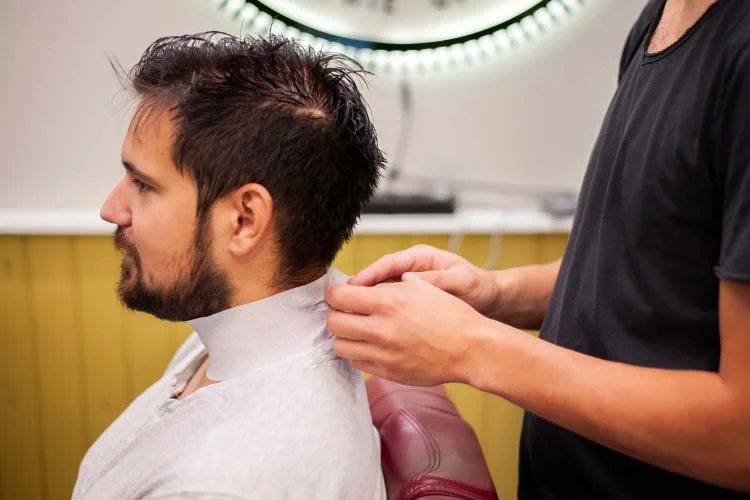
Living in a city has its perks—but your hair usually pays the price. Daily exposure to pollution, dust, smoke, and grime can slowly damage your hair and scalp without you even realizing it. Over time, this buildup leads to dryness, dullness, irritation, and hair that feels harder to manage no matter how often you style it.
At In The Cut Barbershop, we see firsthand how urban environments affect men’s hair. The good news? With a few smart habits and the right grooming approach, you can protect your hair from city pollution and keep it looking healthy and sharp.
1. Understand What Pollution Actually Does to Your Hair
Pollution doesn’t just sit on your hair—it penetrates it. Tiny particles from exhaust, dust, and smoke cling to your scalp and strands throughout the day.
Common effects of city pollution:
Dry, brittle hair
Dull appearance and loss of shine
Itchy or irritated scalp
Faster oil buildup
Weak hair that breaks easily
Once you understand the damage, it’s easier to prevent it.
2. Clean Your Hair the Right Way (Not More Often)
The instinctive response to pollution is washing your hair more frequently—but overwashing can make things worse.
Smarter cleansing habits:
Shampoo 2–4 times per week instead of daily
Rinse with water on non-shampoo days
Use lukewarm water instead of hot
Massage the scalp gently to lift buildup
This removes pollution particles while preserving your scalp’s natural oils.
3. Use Lightweight Protection Products
Just like skincare, your hair needs a barrier between it and environmental damage.
Products that help shield your hair:
Leave-in conditioners to lock in moisture
Light styling creams that reduce friction
Sea salt sprays (used sparingly) for texture without buildup
Avoid heavy gels and greasy products—they trap dust and pollution, making hair look dirtier faster.
4. Don’t Ignore Your Scalp
Pollution affects the scalp first, and a neglected scalp leads to weaker hair growth.
Protect your scalp by:
Exfoliating once a week to remove buildup
Moisturizing to prevent dryness and flaking
Avoiding scratching or aggressive brushing
A healthy scalp acts as your first line of defense against pollution-related damage.
5. Be Strategic with Hats and Helmets
Covering your hair can help—but only if done properly.
Smart habits:
Avoid wearing hats for long periods without breaks
Make sure helmets are clean and dry
Let your scalp breathe when possible
Trapped sweat and pollution under headwear can cause irritation if left unchecked.
6. Brush and Rinse at the End of the Day
Think of brushing and rinsing as “resetting” your hair after exposure.
End-of-day routine:
Brush gently to remove surface dust
Rinse with water if hair feels heavy
Apply a light conditioner or oil if needed
This prevents pollutants from sitting overnight and causing long-term damage.
7. Choose a Haircut That’s Easier to Protect
Some haircuts naturally handle pollution better than others. Clean, structured cuts with proper layering reduce buildup and are easier to refresh.
Pollution-friendly styles include:
Short fades with texture on top
Crops that don’t trap dust
Layered styles that allow airflow
At In The Cut Barbershop, we help men choose haircuts that suit not just their style—but their environment and lifestyle.
Conclusion
City pollution and dust are unavoidable, but hair damage doesn’t have to be. With proper cleansing habits, lightweight protection, scalp care, and the right haircut, you can keep your hair healthy, manageable, and sharp—even in an urban setting.
At In The Cut Barbershop in Vancouver, we understand the challenges of city grooming. Our experienced barbers don’t just give great haircuts—we help you protect and maintain your hair long after you leave the chair.
Book your appointment today at In The Cut Barbershop, and let us help you keep your hair looking its best—no matter what the city throws at it.
