
Is Cold Water Really Better for Your Hair? Experts Weigh In
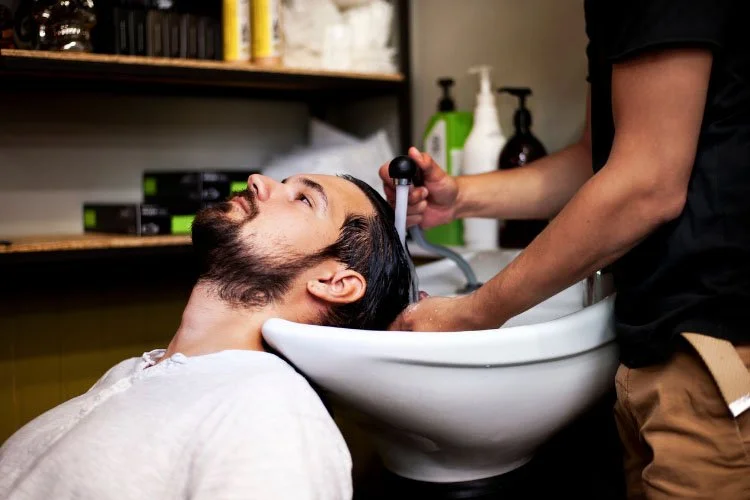
You’ve probably heard it before—“Rinse your hair with cold water; it’s better for you.” Some say it makes your hair shinier, stronger, and healthier, while others claim it’s just another grooming myth. So, what’s the real truth?
When it comes to men’s grooming, understanding what actually helps your hair (and what doesn’t) can save you time, effort, and damage. At In The Cut Barbershop in Vancouver, our barbers are often asked whether cold water truly benefits men’s hair. Let’s break down the science behind this popular claim and see whether you should actually turn down the temperature during your next shower.
1. What Cold Water Does to Your Hair
Cold water affects your hair and scalp differently than warm or hot water. It doesn’t “freeze” your hair follicles or magically make your strands grow faster, but it does influence how your hair looks and feels.
Here’s what cold water actually does:
Seals the cuticle layer: Cold water helps flatten your hair’s outer layer (the cuticle), making it smoother and more reflective—this is why some people notice extra shine.
Locks in moisture: By closing the cuticle, cold water prevents excessive moisture loss, keeping hair hydrated.
Reduces frizz: Sealed cuticles mean fewer rough edges, which leads to smoother, frizz-free hair.
However, the effects are temporary—once your hair dries, it returns to its natural state. So while cold water helps with shine and smoothness, it’s not a miracle solution for damaged or thinning hair.
2. Why Hot Water Isn’t Always Your Friend
Most men prefer a hot shower, especially on cold mornings. But while it feels great, hot water can actually harm your hair and scalp if used too often.
Here’s why:
It strips away natural oils. Hot water dissolves sebum (your scalp’s natural oil) too quickly, leading to dryness and irritation.
It opens the hair cuticle too much. While open cuticles help cleanse dirt and product buildup, excessive heat can weaken the hair shaft.
It can make your scalp flaky. Hot water dries out the skin, often leading to dandruff-like flaking and itchiness.
Over time, constant exposure to hot water can make your hair look dull, lifeless, and harder to style.
3. The Right Way to Use Water Temperature in Your Routine
The key isn’t to go to extremes—it’s about balance. Instead of sticking strictly to cold or hot water, you can use both strategically in your hair care routine for the best results.
Here’s a simple guide:
Start with warm water: Use lukewarm water to wet your hair and open up the cuticles. This helps remove oil, dirt, and styling product buildup more effectively.
Shampoo and condition: Wash with warm water so your products can work deeply into the hair and scalp.
Finish with cold water: After conditioning, rinse your hair with cool water for 15–30 seconds. This seals the cuticle, locks in moisture, and adds shine.
This combination approach gives you the best of both worlds—thorough cleansing with warm water and protection with cold water.
4. Does Cold Water Help with Hair Growth?
Here’s one of the most common myths out there: cold water helps your hair grow faster. Unfortunately, there’s no scientific evidence to support this claim.
Hair growth is determined by your genetics, hormones, and overall health—not water temperature. However, maintaining a healthy scalp environment (by avoiding excessive dryness or irritation from hot water) can help your hair grow stronger and stay healthier over time.
If you want to support growth:
Eat a balanced diet rich in protein and vitamins.
Use gentle, sulfate-free shampoos.
Massage your scalp to increase blood flow.
Avoid overusing heat styling tools.
Cold water can make your hair look healthier, but the real secret to growth lies in consistent care and maintenance.
5. When Cold Water Might Not Be Ideal
While cold water can help smooth and shine your hair, it’s not for everyone—especially if you have certain scalp conditions or hair types.
Avoid cold rinses if:
You have an oily scalp—cold water won’t cleanse oil effectively.
You use heavy styling products—cool water may not remove buildup fully.
You have very thick or curly hair—it may prevent proper moisture absorption from conditioners.
In these cases, warm water works better to cleanse and hydrate your hair properly.
6. What Barbers Recommend for Healthier Hair
At In The Cut Barbershop, our barbers recommend focusing less on the temperature of your water and more on your overall hair care habits. Healthy hair starts with a strong foundation:
Barber-approved tips:
Use quality shampoos and conditioners suited to your hair type.
Avoid daily washing—every 2–3 days is ideal for most men.
Dry your hair gently with a towel—never rub harshly.
Schedule regular trims every 3–4 weeks to prevent split ends.
By combining these habits with a balanced water temperature routine, you’ll maintain healthier, shinier, and stronger hair all year round.
Conclusion
So, is cold water really better for your hair? The answer: it helps, but only as part of a bigger routine. Cold water can add shine, lock in moisture, and reduce frizz, but it won’t fix deeper issues caused by poor hair care habits or unhealthy scalp conditions.
At In The Cut Barbershop in Vancouver, we take men’s grooming beyond just haircuts. Our experienced barbers can assess your hair type, recommend professional-grade products, and give you expert advice on how to maintain healthy, great-looking hair—no matter the temperature of your shower.
Book your appointment today at In The Cut Barbershop in Vancouver and experience a haircut—and grooming advice—that’s designed to keep your hair looking its best every day.
