
What Your Barber Notices About You That You Don’t
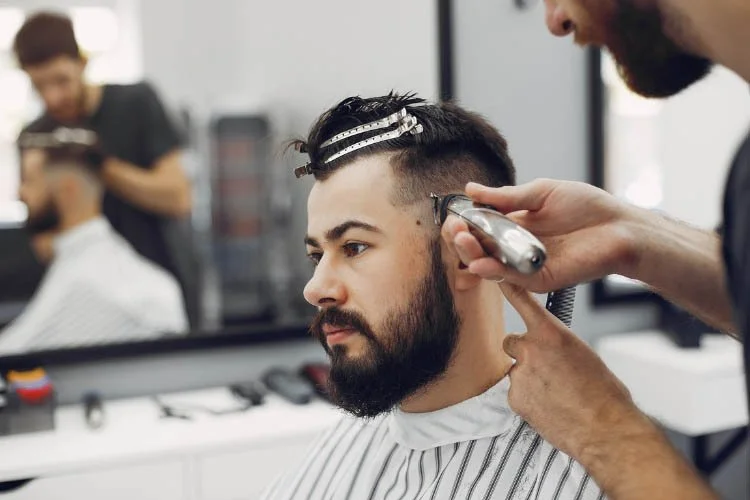
Most men walk into a barbershop focused on one thing: getting a haircut. They might know they want the sides shorter, the top cleaned up, or the beard trimmed. But while you're looking at the overall style, your barber is often noticing details that you may never see yourself.
A skilled barber doesn't just cut hair. They analyze growth patterns, facial structure, hair health, and grooming habits to understand what will work best for you. At In The Cut Barbershop, we pay attention to these small details because they often make the difference between an average haircut and one that truly suits the client.
1. Your Natural Hair Growth Patterns
Many men only see their hair once it's styled. A barber sees how it naturally grows.
They often notice:
Cowlicks and stubborn growth patterns
Areas where hair grows in different directions
Sections that naturally separate
Uneven growth around the crown
These details help determine how the haircut should be structured. Ignoring them can lead to styles that are difficult to manage once you get home.
A barber's goal is to work with your hair's natural behavior, not fight against it.
2. Changes in Hair Density
Hair density changes gradually, which is why many men don't notice it right away.
A barber may spot:
Early thinning around the crown
Changes near the temples
Areas becoming less dense over time
Differences in thickness from one side to another
Because barbers see your hair regularly and from multiple angles, they can often recognize subtle changes long before they become obvious to you.
3. How Your Current Haircut Is Growing Out
Your haircut tells a story about what has happened since your last appointment.
Barbers notice things like:
Where weight is building up
Which areas lose shape first
How your hair responds to growth
Whether the style is still balanced
These observations help guide future adjustments and improve the long-term performance of your haircut.
4. Grooming Habits and Styling Patterns
Your hair often reveals clues about your daily routine.
A barber may recognize:
Frequent hat use
Overuse of styling products
Heat styling habits
Areas that receive the most manipulation
These patterns help explain why certain parts of your hair behave differently and allow your barber to recommend solutions that fit your lifestyle.
5. Facial Features That Affect Your Haircut
Most clients focus on the haircut itself, but barbers also study the face around it.
Important details include:
Face shape
Jawline structure
Beard growth patterns
Hairline characteristics
These features influence everything from fade placement to beard shaping. A haircut that complements your facial structure will usually look more natural and balanced.
6. Small Issues Before They Become Big Problems
One of the biggest advantages of visiting an experienced barber is their ability to spot potential concerns early.
This may include:
Scalp dryness or irritation
Excessive product buildup
Uneven beard growth
Hair that is becoming harder to manage
Many of these issues are easy to address when caught early but become more noticeable if ignored.
Conclusion
While most men focus on the final haircut, a skilled barber is paying attention to dozens of small details throughout the appointment. From growth patterns and density changes to facial structure and grooming habits, these observations help create a haircut that feels more personalized and performs better in everyday life.
At In The Cut Barbershop, we believe great barbering starts with understanding the client, not just the haircut. By paying attention to the details you may not notice yourself, we can create styles that are easier to manage, better suited to your features, and more consistent over time.
Book your appointment today at In The Cut Barbershop, and experience the difference that comes from working with barbers who see more than just your hair—they see the details that help you look your best.
