
How Hair Density Changes the Way a Haircut Should Be Done
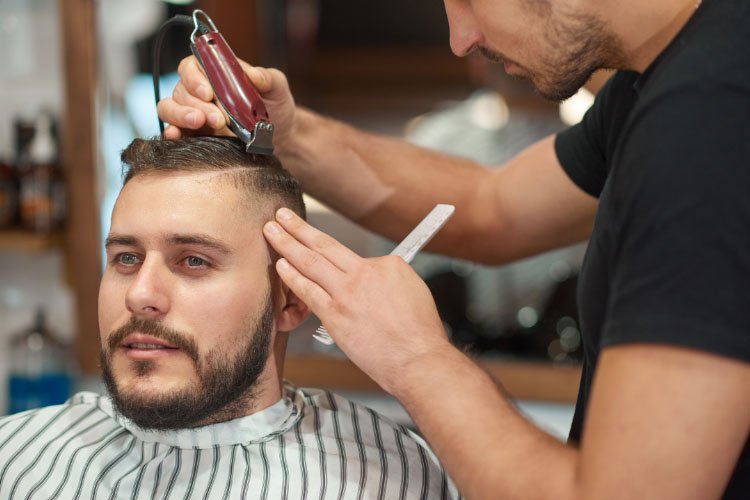
When men think about their hair, they often focus on length or style. But one of the most important factors that determines how a haircut should be done is something many people overlook: hair density. Hair density refers to how many strands of hair grow in a specific area of your scalp. Some men naturally have very thick, dense hair, while others have lighter or thinner density.
Understanding hair density is crucial because it directly affects how a barber shapes, blends, and structures a haircut. At In The Cut Barbershop, experienced barbers consider hair density before making the first cut. Here’s why density matters and how it influences the final result of your haircut.
1. High-Density Hair Requires Weight Control
Men with thick or dense hair often struggle with bulk. If too much weight is left in certain areas, the haircut can quickly look heavy or uneven.
Challenges with high-density hair include:
Hair puffing out on the sides
Styles losing shape as hair grows
Difficulty achieving clean fades
Excess volume around the crown
Because of this, barbers must remove weight strategically rather than simply shortening the hair.
A barber may use techniques like layering, texturizing, and careful blending to reduce bulk while still maintaining structure. This helps dense hair sit naturally instead of appearing overly thick or difficult to manage.
2. Low-Density Hair Requires Structure and Balance
On the other end of the spectrum, men with lower hair density need a completely different approach. Cutting too aggressively can make hair appear even thinner.
Important considerations for low-density hair include:
Avoiding excessive thinning or texturizing
Maintaining enough length to create volume
Using soft transitions rather than sharp contrasts
Choosing styles that add visual fullness
Instead of removing weight, the goal is often to create the illusion of thickness. This can be achieved by leaving slightly more length on top and avoiding styles that expose the scalp too much.
A skilled barber understands how to shape the haircut so that thinner areas look fuller and more balanced.
3. Density Affects How Fades Should Be Blended
Fades are one of the most popular styles for men, but hair density plays a major role in how a fade should be executed.
For dense hair:
Stronger fades can create clean contrast
More blending may be required to control volume
Clippers and thinning techniques are often combined
For lower-density hair:
Softer fades may look more natural
Excessive fading can expose the scalp
Blending must be subtle to maintain fullness
A fade that works perfectly for thick hair may not work the same way for someone with lighter density. That’s why customizing the fade to the individual is so important.
4. Styling Choices Depend on Density
Hair density doesn’t just influence the haircut itself—it also affects how the hair should be styled afterward.
Men with thicker hair often benefit from:
Matte clays or pastes for control
Textured styles that reduce bulk
Shorter sides to balance volume
Men with lower-density hair may prefer:
Lightweight styling creams
Volume-building products
Styles that create movement and lift
Choosing the right style and product combination ensures the haircut performs well day to day.
5. Hair Density Impacts How a Haircut Grows Out
One of the biggest differences density creates is how a haircut looks a few weeks later.
Dense hair may:
Grow outward quickly
Build weight around the sides
Require more regular shaping
Lower-density hair may:
Lose shape more gradually
Need careful length management
Benefit from styles designed to maintain volume
A barber who understands hair density will design the haircut with future growth in mind, helping it stay balanced for longer.
Conclusion
Hair density plays a major role in how a haircut should be approached. Thick hair requires careful weight removal and texture control, while lower-density hair needs structure and techniques that create the appearance of fullness. Without considering density, even a technically good haircut may not look or perform the way it should.
At In The Cut Barbershop in Vancouver, our barbers take the time to evaluate your hair type, density, and growth patterns before starting your haircut. This ensures that every style is tailored specifically to you, resulting in a haircut that not only looks great on day one but continues to grow out cleanly.
Book your appointment today at In The Cut Barbershop, and let our experienced barbers craft a haircut designed perfectly for your hair density and personal style.
