
The Role of Head Shape in Choosing the Right Men’s Haircut
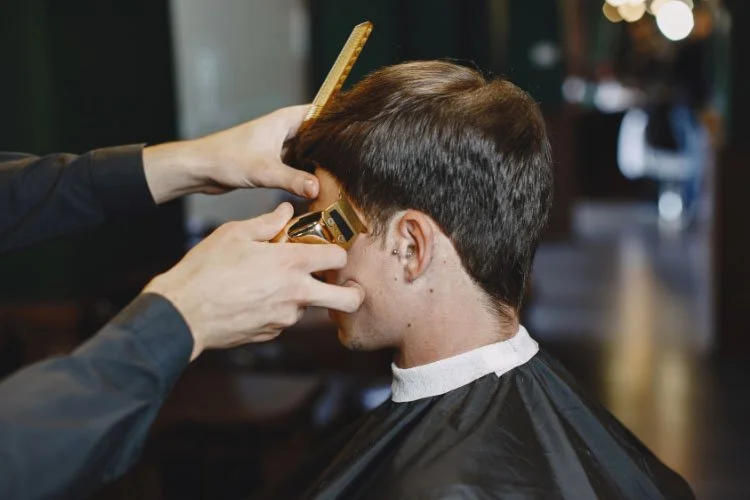
When men think about choosing a haircut, they often focus on trends or celebrity styles. But one of the most important factors in finding the right haircut is something far more fundamental: your head shape. The shape of your head influences how a haircut looks from every angle—front, sides, and back.
A haircut that looks great on someone else may not work the same way for you simply because your head shape is different. At In The Cut Barbershop, experienced barbers carefully consider head shape before recommending or designing a style. Understanding this factor helps create a haircut that looks balanced, natural, and flattering.
1. Why Head Shape Matters in Haircuts
Head shape affects how volume, length, and fades should be balanced. A good haircut works with the natural structure of the head rather than fighting against it.
Head shape influences:
How much volume should be left on top
The height and placement of fades
The balance between the sides and crown
The overall silhouette of the haircut
When these elements are aligned with your head shape, the result is a cleaner, more polished look.
2. Common Head Shapes and Their Characteristics
Most men fall into a few general head shape categories. Recognizing these shapes helps barbers tailor the haircut appropriately.
Common head shapes include:
Oval: Balanced proportions and slightly longer length
Round: Equal width and height with softer curves
Square: Strong angles and a defined jawline
Long (Rectangular): Noticeably longer than it is wide
Diamond: Narrow forehead and jaw with wider cheekbones
Each shape benefits from different styling strategies to create visual balance.
3. Adjusting Volume to Balance Head Shape
One of the main ways barbers adapt haircuts for head shape is by adjusting how much volume is left in certain areas.
For example:
Round head shapes benefit from more height on top to elongate the appearance
Long head shapes often look better with less height and more balanced sides
Square shapes can handle structured styles that highlight strong angles
Oval shapes work well with a wide variety of styles
By controlling volume, barbers can subtly reshape how the head appears overall.
4. Fade Placement Makes a Big Difference
The height and style of a fade dramatically affect how a haircut complements head shape.
Different fade placements include:
Low fade: Starts closer to the neckline and keeps more weight around the sides
Mid fade: Balanced transition that works with many head shapes
High fade: Creates strong contrast and emphasizes the top
For example, a high fade might elongate a round head shape but could exaggerate length for someone with a longer head shape. Choosing the right fade placement ensures the haircut remains balanced.
5. Hair Length Can Correct Visual Proportions
Strategic length choices can make subtle adjustments to how the head appears.
Examples include:
Leaving extra length on top to add height
Keeping the sides slightly fuller to reduce the appearance of length
Adding texture to soften sharp features
Maintaining balanced proportions from front to back
These small adjustments can make a big difference in how flattering a haircut looks.
6. Hair Texture and Density Still Play a Role
Head shape isn’t the only factor involved. Hair texture and density also influence how a haircut should be executed.
Barbers consider:
Whether hair is thick or thin
Straight, wavy, or curly texture
Natural growth patterns
How the hair behaves when styled
Combining these factors with head shape allows barbers to design a haircut that truly fits the individual.
7. Professional Barbers See What Clients Often Miss
Many men may not recognize their own head shape or understand how it affects their haircut. This is where a professional barber’s experience becomes valuable.
An experienced barber can:
Identify subtle shape differences
Suggest styles that enhance facial features
Avoid styles that exaggerate certain proportions
Create a customized haircut rather than a generic one
This attention to detail is what transforms a basic haircut into one that looks intentional and refined.
Conclusion
Head shape plays a major role in determining which haircuts will look the best and maintain balance as your hair grows. By adjusting volume, fade placement, and length based on your natural structure, a skilled barber can create a style that enhances your features rather than working against them.
At In The Cut Barbershop in Vancouver, our barbers take the time to evaluate head shape, hair type, and lifestyle before designing a haircut. This personalized approach ensures that every client leaves with a style that fits them perfectly.
Book your appointment today at In The Cut Barbershop, and let our experienced team help you find a haircut that complements your head shape and keeps you looking sharp.
